
Tyre care
How to check your tyre pressure (and why it matters more than you think)
Five minutes at the servo once a month keeps your car gripping, braking and using less fuel. Here's where to find the right pressure and how to check it properly.
Nova Tyres workshop team Updated 4 min read
In this article
Tyre pressure is the easiest safety check you can do yourself, and the one most drivers skip. Your tyres are the only part of the car touching the road — four patches of rubber roughly the size of your hand. Keeping them at the right pressure means they hold their shape, grip properly and wear evenly.
Why the right tyre pressure matters
When a tyre is under-inflated, its sidewalls flex more than they're designed to. That builds heat, makes the steering feel vague and wears the outer edges of the tread faster. Over-inflate it and the opposite happens: the centre of the tread takes all the load, the ride gets harsh and there's less rubber on the road when you need to stop.
Braking and grip — the tyre's contact patch is the shape the engineers designed for.
Fuel use — a soft tyre rolls less easily, so the engine works harder.
Tyre life — even pressure means even wear, so you replace tyres less often.
Handling with a load — towing or a full boot needs the higher figure on the placard.
Where to find your car's correct pressure
Don't go by the number moulded into the tyre sidewall — that's the maximum the tyre can hold, not what your car needs. The right figure is on your vehicle's tyre placard, usually a sticker on the driver's door jamb, inside the fuel flap or in the owner's manual.
How to check tyre pressure, step by step
Check when the tyres are cold. First thing in the morning, or after the car has been parked for a few hours. Driving warms the air inside and gives a falsely high reading.
Remove the valve cap and press the gauge firmly onto the valve until the hiss stops.
Read the gauge and compare it with the placard. Most Australian placards show kPa and PSI.
Add or let out air in short bursts, re-checking as you go.
Refit the valve cap — it keeps dirt and moisture out of the valve.
Don't forget the spare, if your car has one. A flat spare is no help on the side of the road.
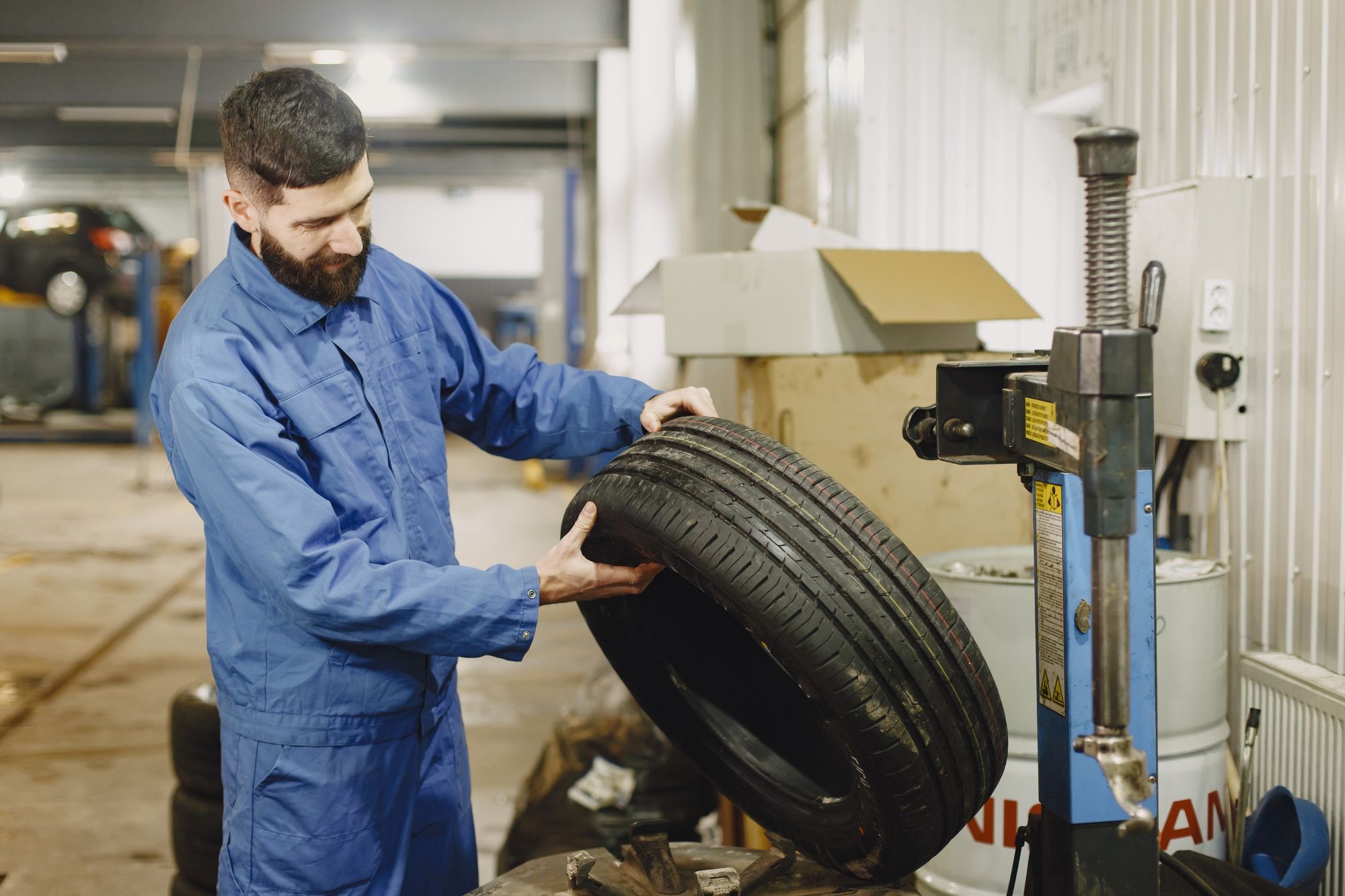
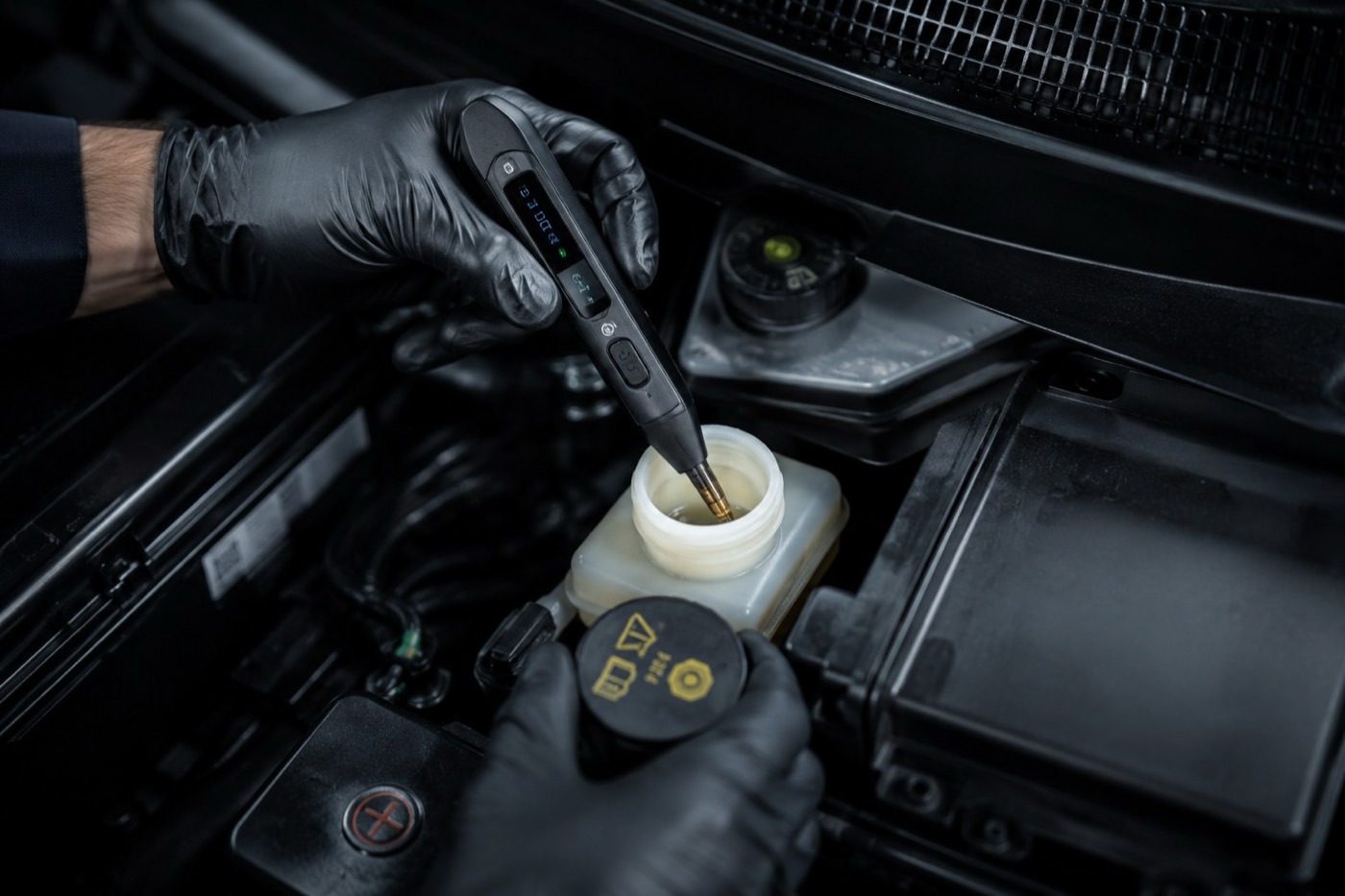
Every Nova workshop visit includes a pressure check.
How often should you check?
Once a month is a good habit, plus before any long drive, before towing or loading up for a trip, and after a big change in temperature. Tyres lose a little air naturally over time, so a slow drop isn't unusual — but one tyre that keeps going down needs a look.
Checking your pressure takes five minutes. It's the cheapest way to make your tyres last longer.
Nova Tyres workshop team
Common questions
Is the pressure on the tyre sidewall the one I should use?
No. The sidewall shows the maximum pressure the tyre can safely hold. Use the figure on your car's tyre placard.
Should I check pressure when the tyres are hot?
Check them cold for an accurate reading. If you must check after driving, never let air out of a hot tyre to reach the placard figure — re-check when it has cooled.
Does my car's tyre pressure warning light replace manual checks?
It's a helpful alert, but most systems only warn once a tyre is well below where it should be. A monthly check with a gauge catches problems earlier.
Not sure your gauge is accurate, or found a tyre that keeps losing air? Drop into any Nova store and we'll check all four — plus the spare — for free.
Written by
Nova Tyres workshop team
Tyre fitters and mechanics from Nova's stores across Melbourne and Sydney.