
Buying guides
Choosing SUV and 4WD tyres: highway, all-terrain or mud-terrain?
HT, AT or MT? The right 4WD tyre depends on where you really drive. A plain-English guide to the three main types, load ratings and getting the size right.
Nova Tyres workshop team 4 min read
In this article
Walk into any tyre shop with an SUV or ute and you'll hear three sets of letters: HT, AT and MT. Each type of 4WD tyres suits a different kind of driving, and picking the wrong one means either paying for grip you'll never use or getting stuck where you wanted to go. The honest first question is: where do you actually drive?
The three main types of 4WD tyre
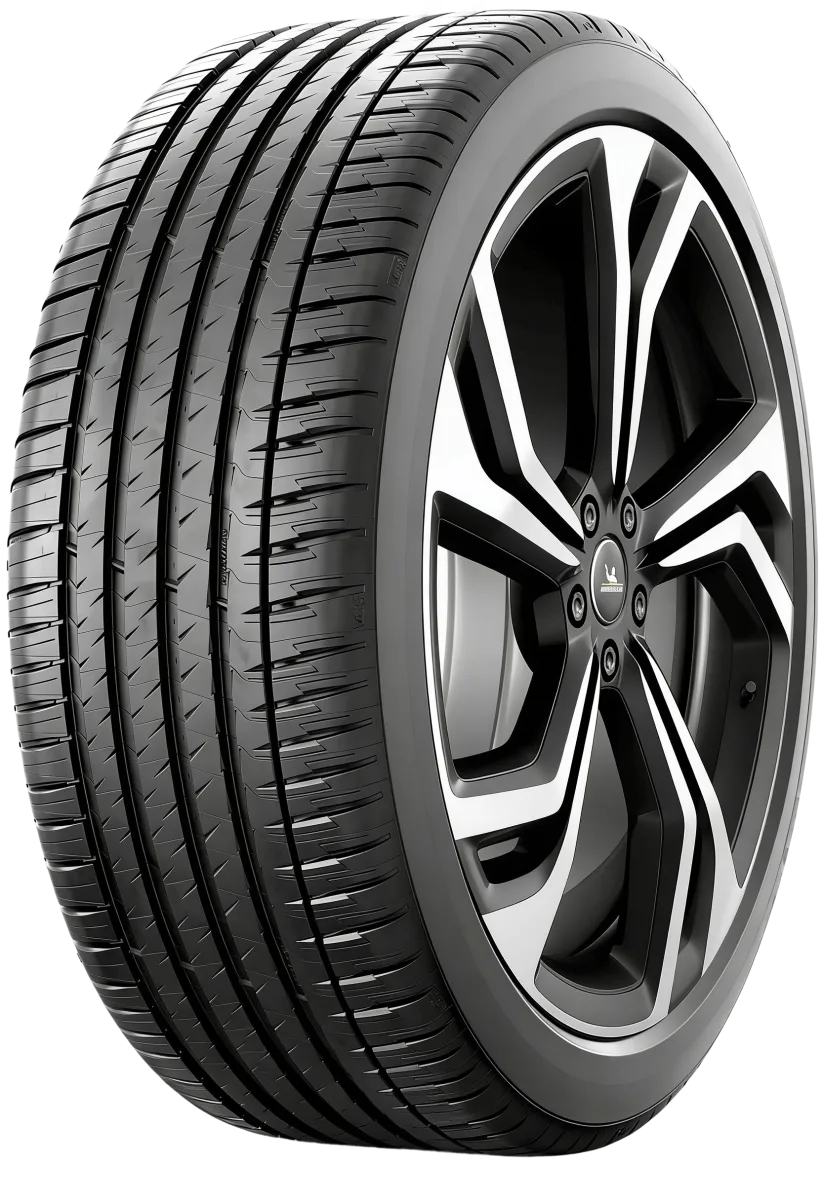
Highway terrain (HT)
Built mostly for sealed roads, with a tighter tread pattern. HT tyres are usually the quietest and most comfortable of the three, with good wet-road grip and long tread life. They'll handle a well-kept gravel road, but they're not made for serious off-road driving.
Best for: SUVs and utes that live in the city and on highways, with the odd dirt road.
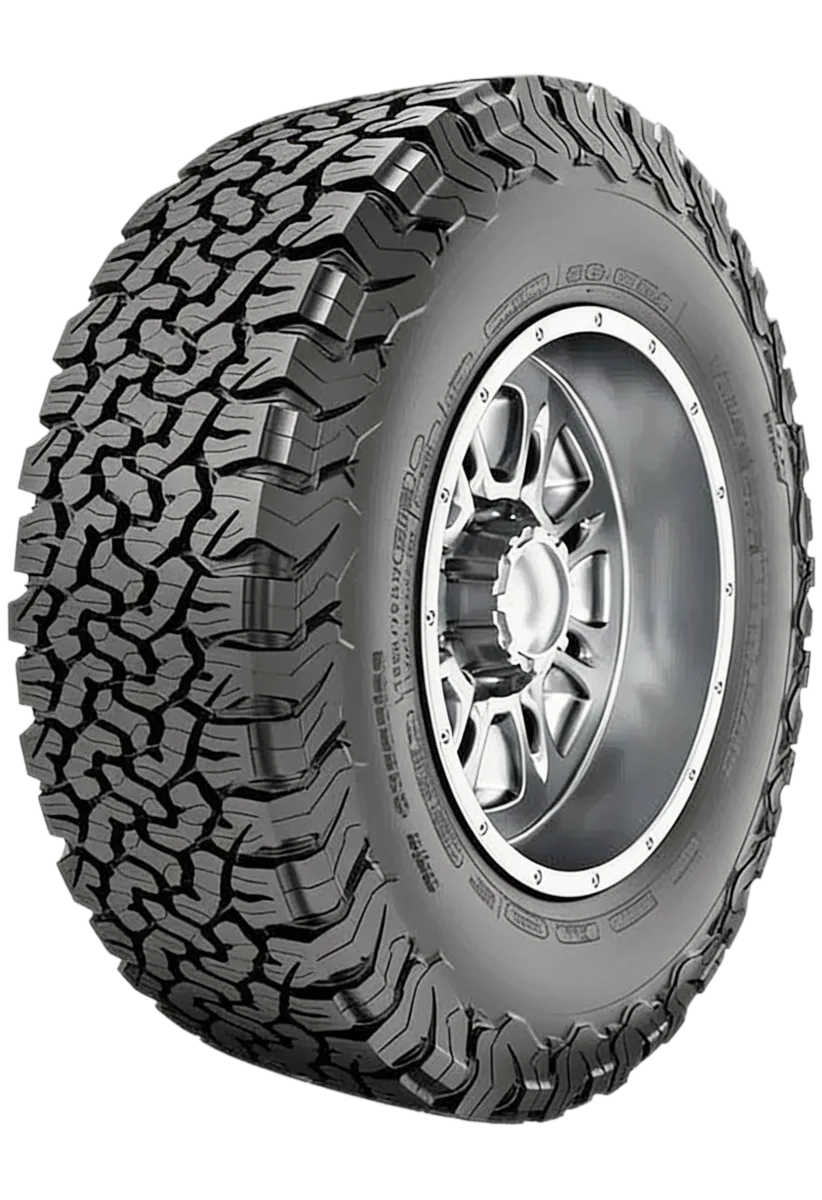
All-terrain (AT)
The all-rounder, and the most popular choice for Australian 4WDs. AT tyres have a chunkier, more open tread and often tougher sidewalls, so they grip better on gravel, dirt and sand while staying reasonably quiet and comfortable on the bitumen.
Best for: weekday driving plus weekend trips, touring, beach runs and outback roads.
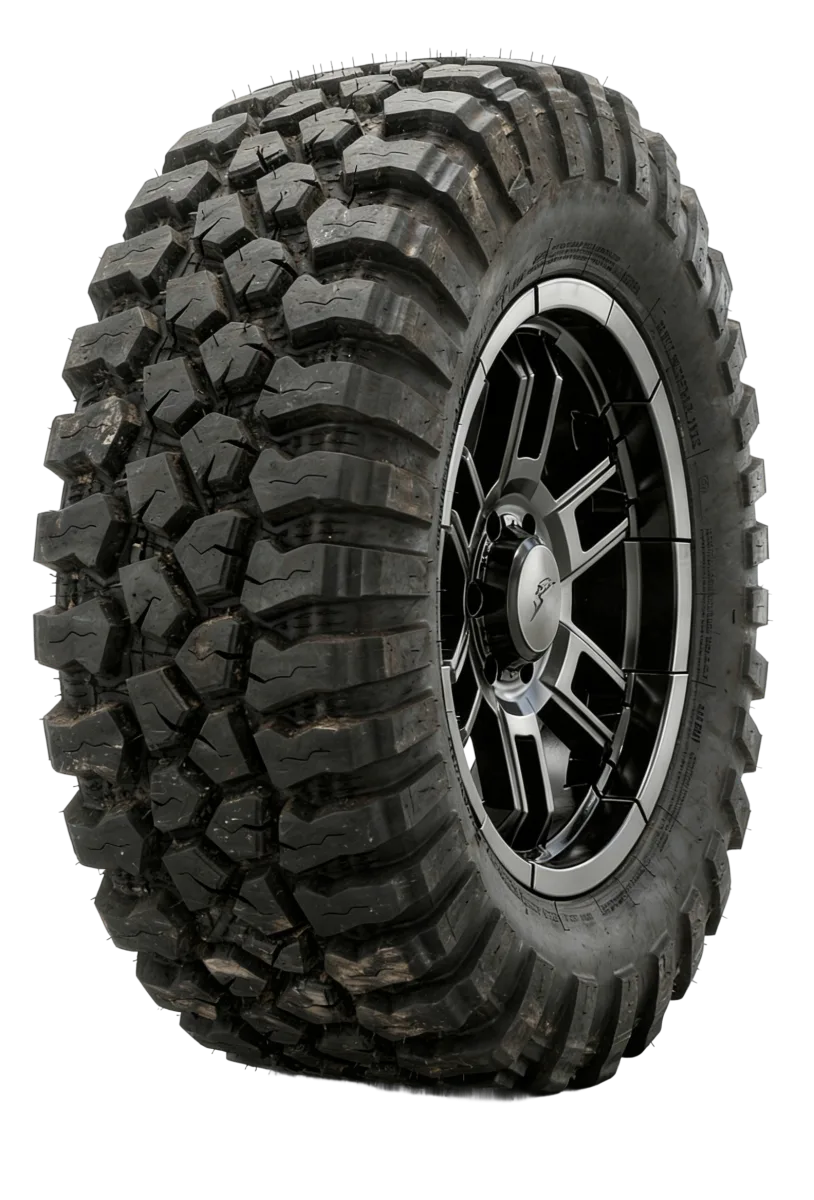
Mud-terrain (MT)
Big, widely spaced tread blocks that clear mud and grip on rocks and rutted tracks, usually with very strong sidewalls. The trade-offs are more road noise, less comfort and less grip on wet bitumen than an HT or AT tyre.
Best for: dedicated off-road vehicles and drivers who regularly tackle mud and rock.
HT vs AT vs MT at a glance
Highway (HT) | All-terrain (AT) | Mud-terrain (MT) | |
|---|---|---|---|
Sealed roads | Best | Good | Fair |
Gravel and dirt | Fair | Best | Good |
Mud and rock | Poor | Fair | Best |
Road noise | Quietest | Moderate | Loudest |
Comfort | Best | Good | Firm |
Load and speed ratings matter more on 4WDs
After the size on your sidewall comes a number and a letter, like 112S. The number is the load index (how much weight each tyre can carry) and the letter is the speed rating. Your replacement tyres must meet at least the load and speed ratings on your vehicle's tyre placard.
If you tow a caravan, carry a heavy fit-out or head well off the beaten track, ask about light truck (LT) construction. LT tyres have stronger internal construction for heavy loads and rough roads, and usually run at different pressures — we'll set them correctly when they're fitted.
Tell us how you really drive — school runs, the highway to the coast, the Vic High Country — and we'll narrow it down to two or three good options.
Common questions
Are all-terrain tyres noisy on the highway?
They're usually a little louder than highway tyres, but most modern all-terrains are comfortable enough for daily driving.
Can I mix tyre types on my 4WD?
It's best to fit the same type and tread pattern on all four, especially on four-wheel-drive and all-wheel-drive vehicles, so the car handles and grips evenly.
What tyre pressure should I use off-road?
Letting some air out helps in sand and on rough tracks, but the right figure depends on the tyre, vehicle and load. Always re-inflate before you're back on the bitumen.
Ready to compare? Browse SUV and 4WD tyres by size, or add the wheels to match.
Written by
Nova Tyres workshop team
Tyre fitters and mechanics from Nova's stores across Melbourne and Sydney.